Herd Immunity
October 6, 2026
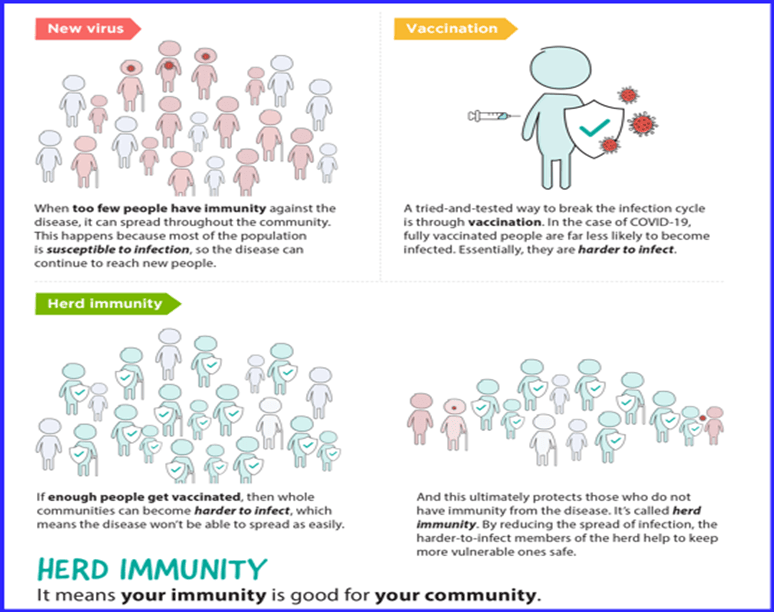
Many of us are aware of the term ‘immunity’, which is resistance or protection against a particular infectious disease or pathogen. Over the past few years, we have heard the term ‘herd immunity’ when, referring to fighting an infectious disease, but what does herd immunity mean?
What is herd immunity?
According to the World Health Organization, herd immunity is the ‘indirect protection from an infectious disease that happens when a population is immune’. Immunity can be developed naturally when the body makes antibodies in response to a specific infection, which protect against future infections. Immunity can also be developed through vaccination, which triggers the immune system to identify and protect against future threats, without the risk of disease.
When a significant portion of a population becomes immune to an infectious disease, its spread can be greatly limited, protecting those in the community who are not immune or are at risk of serious infection.
The more transmissible (contagious) the disease is, the greater the proportion of the population that is immune is needed to limit the spread of the disease. The percentage of a population that needs to be immune in order to achieve herd immunity varies from disease to disease. This percentage typically ranges from 70%-90%.
How does immunity herd work?
Contagious diseases spread from person to person, that means if someone gets sick, they can pass it on to other people.
Achieving high immunity levels helps protect vulnerable people who cannot get sick or receive vaccines, such as infants or immunocompromised individuals.
Ontario Health manages immunization through structured school and childcare vaccine programs to keep baseline community immunity high against many diseases.
The province runs annual programs for respiratory illnesses, offering updated vaccines for influenza, COVID-19, and RSV through local public health units, pharmacies, and primary care providers.